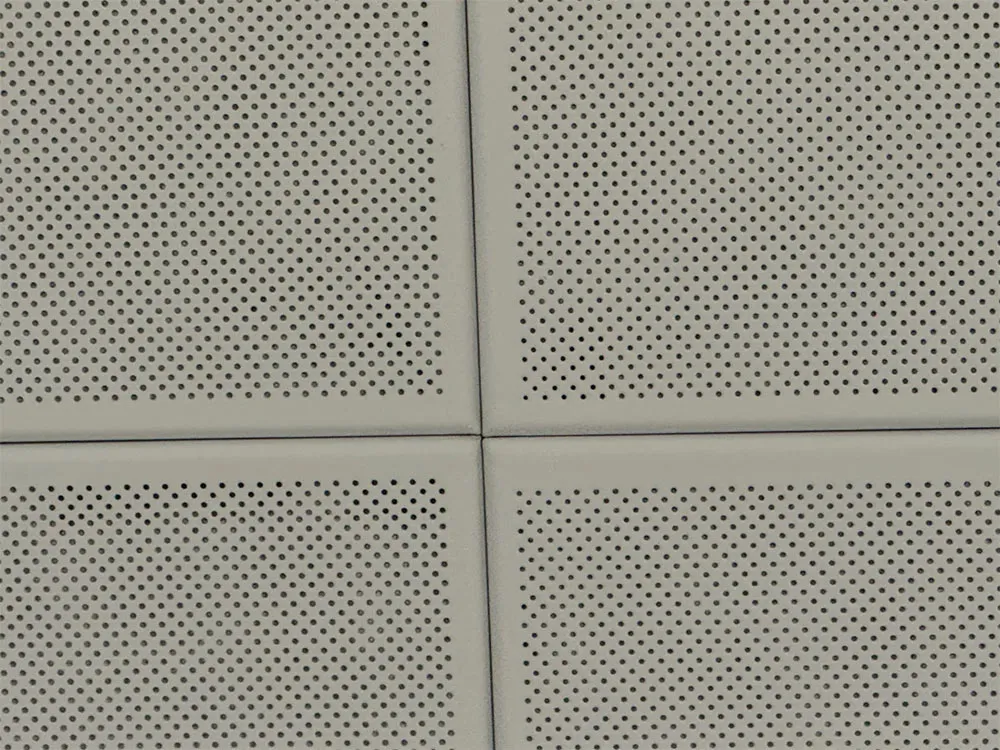
ss sheet with holes
Round hole perforated sheet is a versatile material that balances strength and ventilation, making it a staple in many industries. The evenly spaced round holes allow air, light, and fluids to pass through while maintaining the structural integrity of the sheet. This is critical in applications like HVAC systems where airflow regulation is essential, or in machine guards where safety and visibility must coexist. Industries including manufacturing, food processing, and chemical plants rely heavily on these sheets for their durability and performance. Typically made from metals such as stainless steel, carbon steel, and aluminum, they offer resistance against corrosion, wear, and mechanical damage. The round hole design is advantageous because it distributes stress evenly around the holes, reducing the risk of cracks or tears. The sheets can be customized with different hole diameters and thicknesses to suit specific load-bearing requirements and functional needs. Surface treatments such as galvanizing or powder coating enhance longevity, especially in harsh environments like coastal or chemical-rich areas. The sheets’ strength ensures they can withstand heavy machinery vibrations and mechanical impacts, prolonging service life and reducing maintenance costs. Versatility of Metal Sheet Perforated Round Hole in Design Beyond industrial uses, the metal sheet perforated round hole design shines in architectural and decorative contexts. Designers and architects appreciate its clean, consistent pattern which adds texture and depth without overwhelming the visual space. Applications range from building façades, interior wall panels, ceiling tiles, to decorative partitions. The perforated pattern allows light diffusion, creating beautiful shadow play that changes throughout the day. This dynamic effect contributes to ambiance and helps reduce artificial lighting needs. Materials commonly used for decorative purposes include aluminum for its lightweight and corrosion resistance, and stainless steel for sleek, modern aesthetics. These sheets can be further customized with powder coating in a wide variety of colors or anodizing for a metallic sheen. The adaptability of perforated metal sheets allows them to be bent, curved, or cut to precise shapes, accommodating complex architectural designs. Their integration improves ventilation in interior spaces, helping maintain healthy air quality and comfort. Moreover, their easy maintenance—typically requiring just periodic cleaning—makes them popular in commercial buildings, hotels, and retail spaces aiming to combine beauty with practicality. Perforated SS Sheet Round Hole for Corrosion Resistance When it comes to durability, perforated SS sheet round hole (stainless steel) is unmatched, especially in environments exposed to moisture, chemicals, or food-grade standards. Stainless steel naturally resists rust and corrosion, maintaining its structural integrity and appearance over time. This makes it ideal for applications in marine environments, chemical processing plants, and commercial kitchens. In these settings, hygiene is critical, and the smooth perforated surfaces of stainless steel sheets are easy to sanitize and keep clean. The round hole pattern also minimizes the accumulation of dirt and debris, further supporting cleanliness. The edges of the holes are carefully finished to avoid sharpness, protecting workers during handling and installation. Customization options allow stainless steel sheets to be fabricated into panels, filters, or screens of varying thicknesses and hole sizes. Their robust nature ensures they can support heavy loads and resist damage in demanding applications. Additionally, stainless steel perforated sheets are often specified for architectural uses where a combination of aesthetics and longevity is required, such as in cladding, sunshades, and decorative features on building exteriors. Lightweight Round Hole Aluminum Perforated Sheet Advantages The round hole aluminum perforated sheet offers a unique combination of light weight, corrosion resistance, and good mechanical properties. Aluminum’s natural oxide layer protects it from oxidation and corrosion, making it an excellent choice for outdoor and marine environments. These sheets are frequently used in transportation industries—such as in buses, trucks, and aircraft—where weight reduction is essential for fuel efficiency without sacrificing strength. Their perforated design aids ventilation and heat dissipation, key factors in electronic enclosures and cooling systems. Aluminum sheets are easy to fabricate; they can be cut, bent, or shaped to fit specialized applications. They are also often anodized or powder coated to improve scratch resistance and enhance appearance. In architectural settings, aluminum perforated sheets are used for sunscreens, ceilings, and decorative panels where lightweight materials simplify installation and reduce structural loads. Their durability ensures they withstand harsh weather, UV exposure, and pollution over many years. Selecting the Best Round Hole Perforated Sheet for Your Project Choosing the right round hole perforated sheet requires a clear understanding of your project’s specific needs. The selection process involves evaluating material properties, hole dimensions, sheet thickness, and surface finish. Material choice depends on environment and load demands. Stainless steel suits harsh, corrosive environments, while aluminum is ideal for weight-sensitive and outdoor projects. Carbon steel offers a cost-effective solution but may need protective coatings. Hole size and spacing influence airflow, light transmission, and strength. Smaller holes offer more protection but reduce ventilation, while larger holes allow greater passage of air and light. The pattern’s density must balance these factors. Sheet thickness relates to strength; thicker sheets bear heavier loads but add weight and cost. For structural applications, sturdiness is paramount, while decorative uses may prioritize aesthetics and weight. Surface treatments like galvanizing, powder coating, or anodizing improve corrosion resistance and add color options. Custom fabrication services allow precise tailoring of size, shape, and finish to your project’s requirements. Working closely with experienced suppliers ensures you get technical advice and products that meet standards and timelines. FAQs About Round Hole Perforated Sheets What industries commonly use round hole perforated sheets? They are used extensively in HVAC, food processing, chemical plants, architectural design, transportation, and machinery safety. Can I customize the hole size and pattern of round hole perforated sheets? Yes, suppliers offer full customization of hole diameter, spacing, sheet thickness, and finish to fit your application. How do stainless steel perforated sheets compare to aluminum? Stainless steel is stronger and more corrosion-resistant, suitable for harsh or hygienic environments; aluminum is lighter and easier to fabricate, ideal for outdoor and weight-sensitive uses. Are round hole perforated sheets suitable for outdoor use? Yes, with appropriate materials and surface finishes, they perform well outdoors and resist weathering effectively. Where can I purchase high-quality round hole perforated metal sheets? Visit our company website to explore product options, request custom quotes, and get expert support tailored to your project needs. Explore our extensive catalog online, contact our specialists for personalized advice, and secure the highest quality materials designed to meet your exact requirements today!







![$item[alt]](https://www.ccmetalmesh.com/images/cc-7691.webp "$item[title]")